Role
Lead UX / UI Developer, Researcher,
Project Manager
Tools
Figma, Figjam, Unity Github,
Aesprite, Adobe Photoshop
Timeline
January 2025 - June 2025 (22 weeks)
Overview
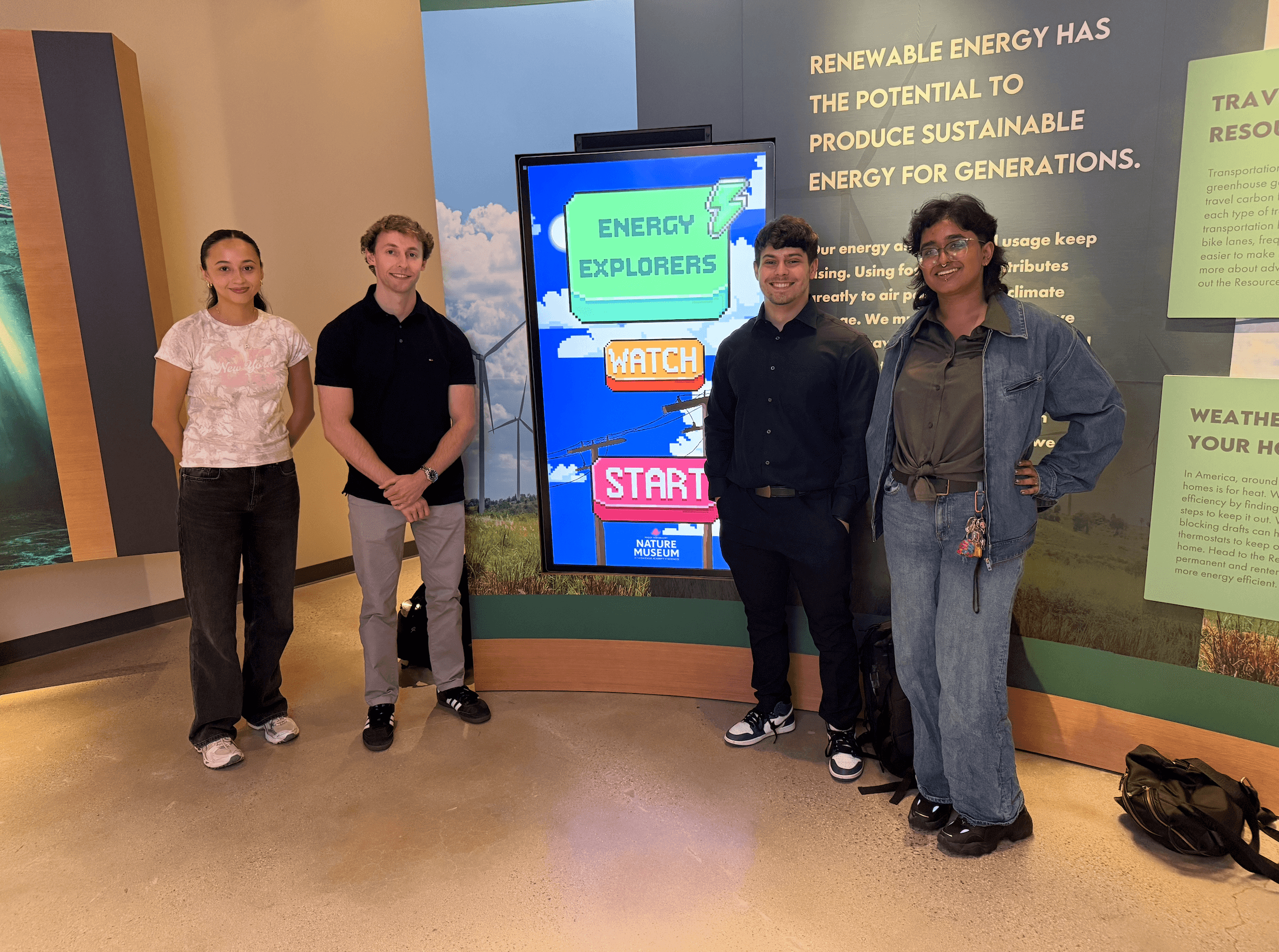
In January 2025, the Peggy Notebaert Nature Museum launched the beginning of a brand new summer exhibit that aimed to teach children about different fundamental areas of the environment. The group I led focused on crafting a solution that would teach energy saving strategies to children.
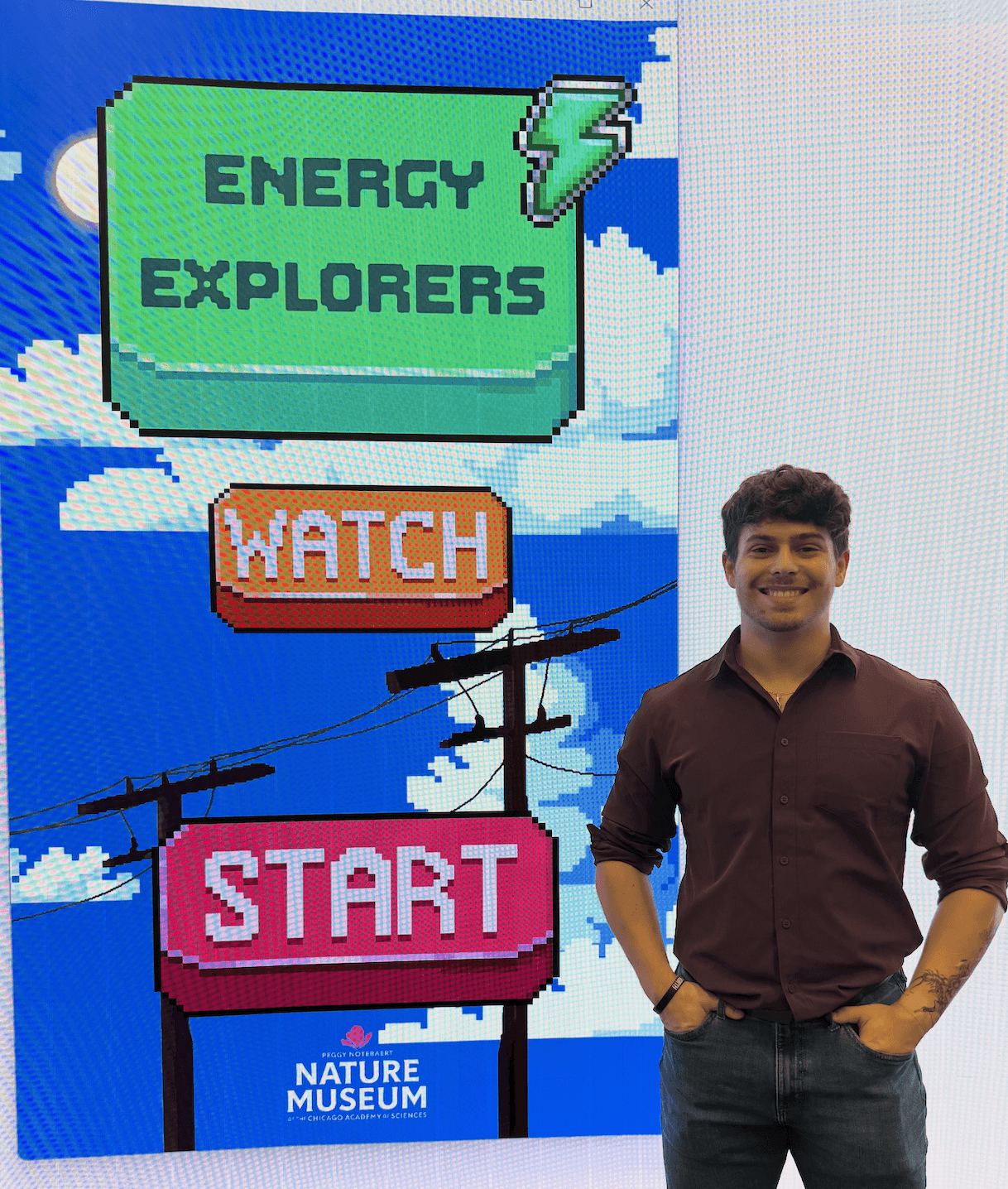
This 22 week project included a full double-diamond development process that resulted in a puzzle-esc gaming experience that would allow children and adults to interact with appliances in a house to learn how they might affect their energy consumption.
My Role
As Lead UX/UI Designer and Project Manager, I:
Directed a team of 5 designers/developers (including myself)
Owned the end-to-end UX process
Led both research and design strategy
Ensured consistency across UI, interaction, and system design
Problem Statement
After 2 rounds of ethnographies and 3 rounds of user surveying, my team developed a core problem statement:
"Traditional museum exhibits often rely on intrinsically motivated passive learning, which can limit engagement and information retention for younger audiences."
Development Process
#1 Discovery — We conducted extensive research to understand users, context, and existing solutions.
Methods:
User interviews with museum visitors and families
Surveys and questionnaires (in-person + online)
Field research at local museums for competitive analysis (Field Museum of Chicago, Adler Planetarium)
Key Insights:
Children engage more with hands-on, cause-and-effect interactions
Parents value experiences that are both educational and entertaining
Energy concepts are often too abstract without visual feedback
#2 Definition — We synthesized research into actionable frameworks.
Personas representing children and parent behaviors
Defined core user needs:
Immediate feedback
Simple, intuitive interactions
Clear cause → effect relationships
This phase aligned the team around a clear problem space and design direction.
#3 Development — We rapidly explored and refined solutions through multiple iterations.
Key Outputs:
Low → mid → high-fidelity prototypes
Interaction models for appliance control
Full component library for UI consistency
#4 Delivery — We finalized a high-fidelity, interactive experience built for real-world exhibit integration.
Validation Methods:
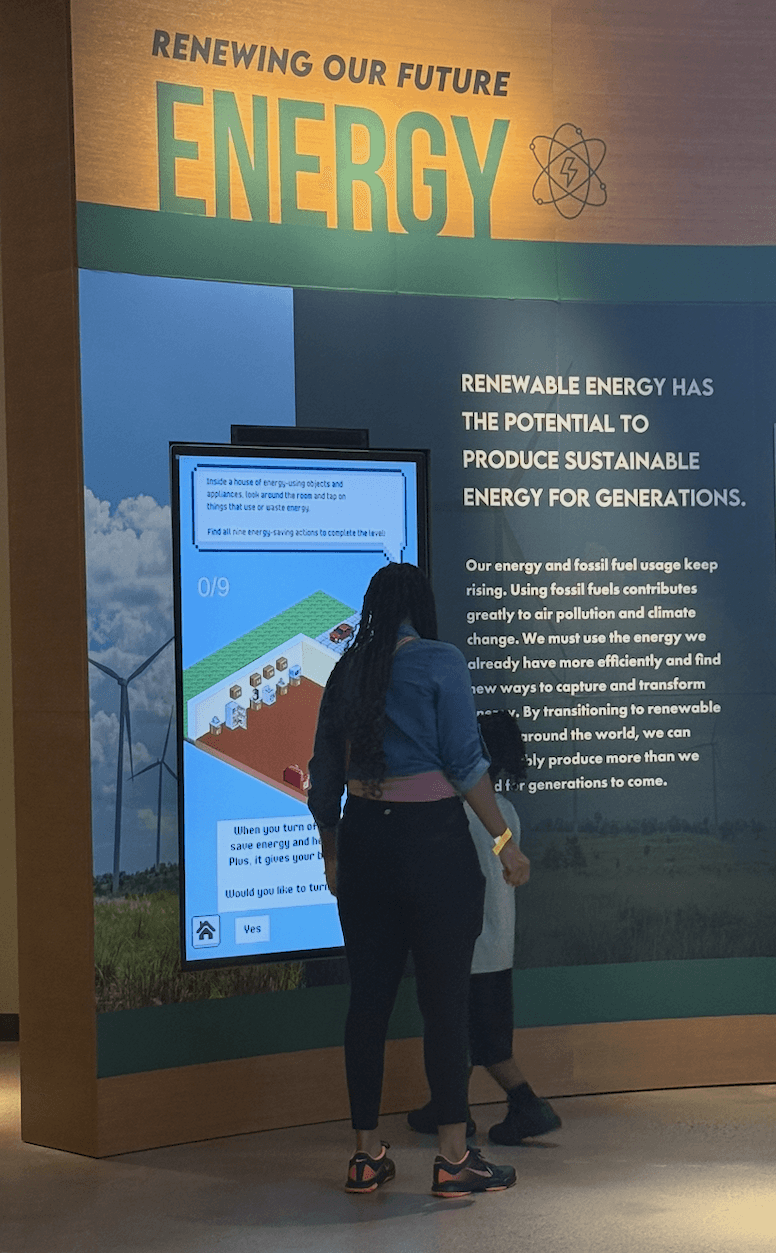
Informal usability testing with museum patrons and children
Observed strong engagement and intuitive understanding of mechanics
Iterated based on real-time feedback from users
Final Solution
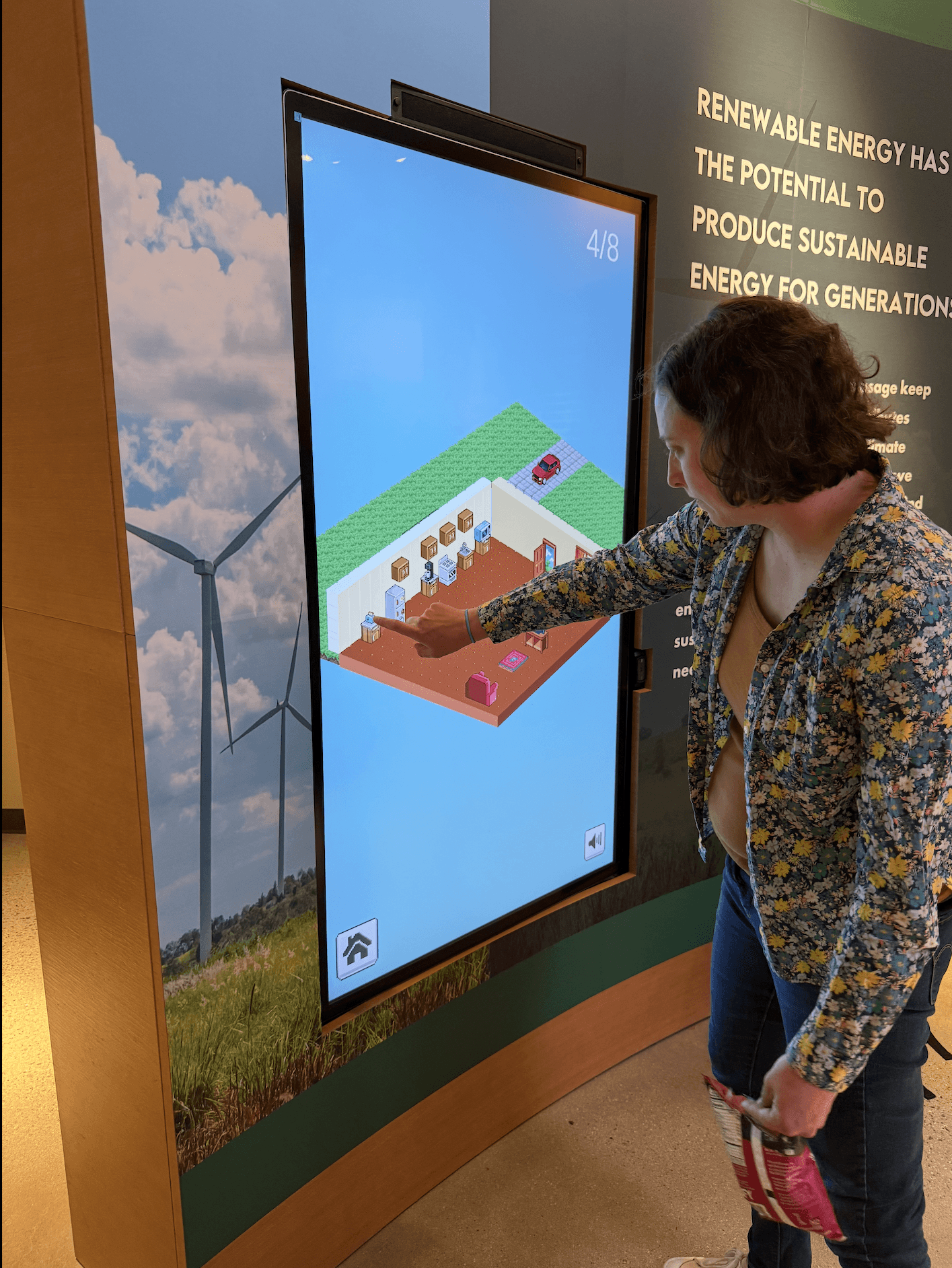
We designed a gamified, puzzle-based interactive experience where users explore a virtual home and interact with everyday appliances.
Key features:
Interactive appliances (lights, key appliances, electronics)
Real-time feedback and fun-facts on energy consumption
Puzzle mechanics that reward efficient energy decisions
Multi-user appeal (children + parents)
The experience balances learning and play, making abstract concepts that would be otherwise tangible through interaction.
Core takeaways
I strengthened my ability to lead a team through a full end-to-end design process, from research planning to final prototype delivery. Managing multiple work streams at once including research, ideation, prototyping, and testing showed me the importance of clear communication, prioritization, and iterative decision-making.
One of the biggest takeaways from this project was learning GitHub and Unity. Until this point, I had never interacted with these systems, so getting some valuable experience while learning how to produce high-quality work with these applications was immensely valuable, even if it was also incredibly difficult.
Most importantly, my understanding of how valuable real-world testing is was further reinforced. Observing children and families interact with the experience revealed usability issues and opportunities that would not have surfaced in design reviews alone.
This project showcased that the best solutions come from designing with users, not just for them.

Let's Get in Touch
Dante Corsetti