Role
Lead UX / UI Designer, Researcher
Tools
Figma, Figjam, Adobe
Photoshop, Valorant
Timeline
February 2026 - March 2026
Overview
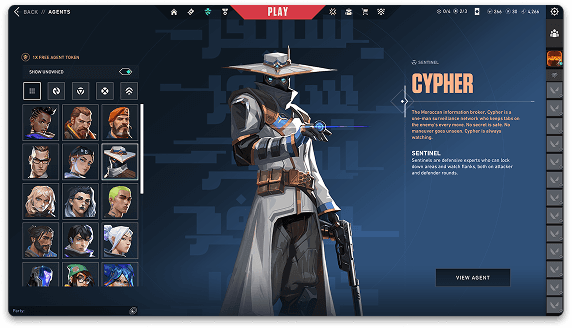
The Riot Games first person shooter title VALORANT has a wide cast of characters for users to discover, learn, and master.
While this leads to imaginative team
compositions and diverse playstyles for experienced players, this also can create an overwhelming starting point for new users.
My Role
Lead UX Researcher · Product Designer
Throughout this project, I led a full end-to-end UX research and product design process ranging from problem framing all the way to validation.
Some responsibilities managed throughout this project included:
Defined a problem statement and research objectives
Conducted heuristic evaluations
Led surveys and interviews - synthesized findings into actionable design artifacts (personas, empathy maps, etc.)
Developed prototypes from low to high-fidelity
Conducted and analyzed usability testing (A/B comparison)
Analyzed findings and transformed them intovalidated insights
Problem Statement
After a deep cognitive walkthrough and heuristic analysis, I crafted a problem statement that would guide the development of this project.
"New players are often overwhelmed by the large cast of characters and the lack of informational context provided to them.
This impacts player retention, satisfaction, and stunts the potential growth of the game."
Development Process
#1 Heuristic Analysis — I conducted a heuristic analysis in order to identify strengths and weaknesses within VALORANT.
Highlighted Heuristics:
Aesthetic and Minimalist Design
Error Prevention
Consistency and Standards
Areas for Improvement:
Flexibility and Efficient of Use
Learnability, Help, and Documentation
#2 Persona Creation and Empathy Mapping — After rounds of user interviews, I used the quantitative and qualitative data to form a User Persona and an Empathy Map
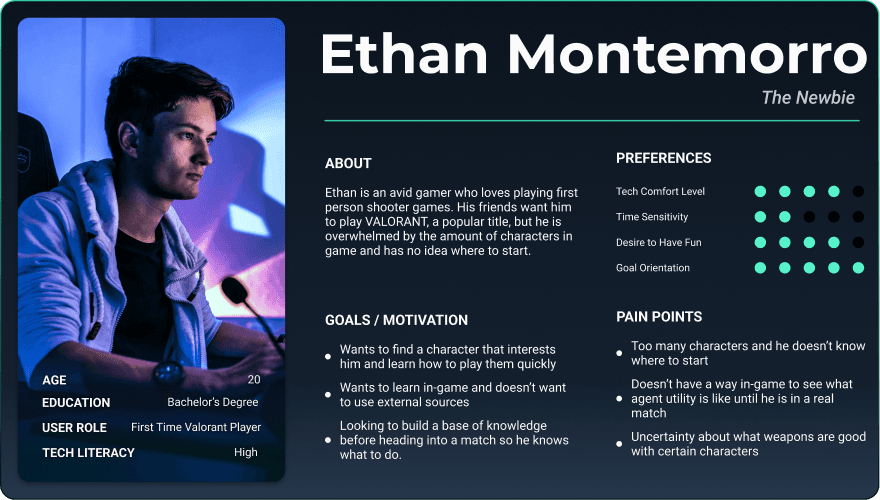
User Persona
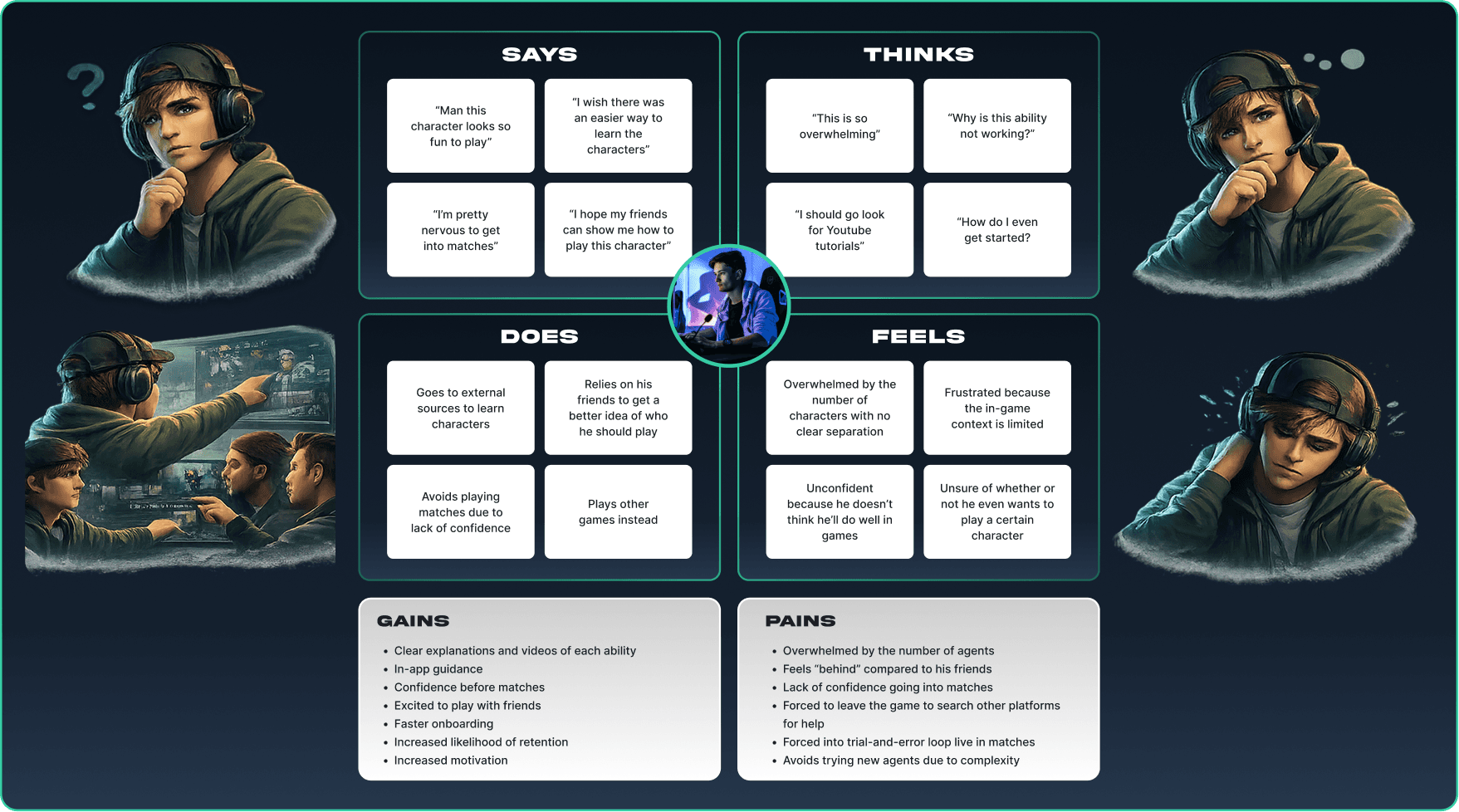
Empathy Map
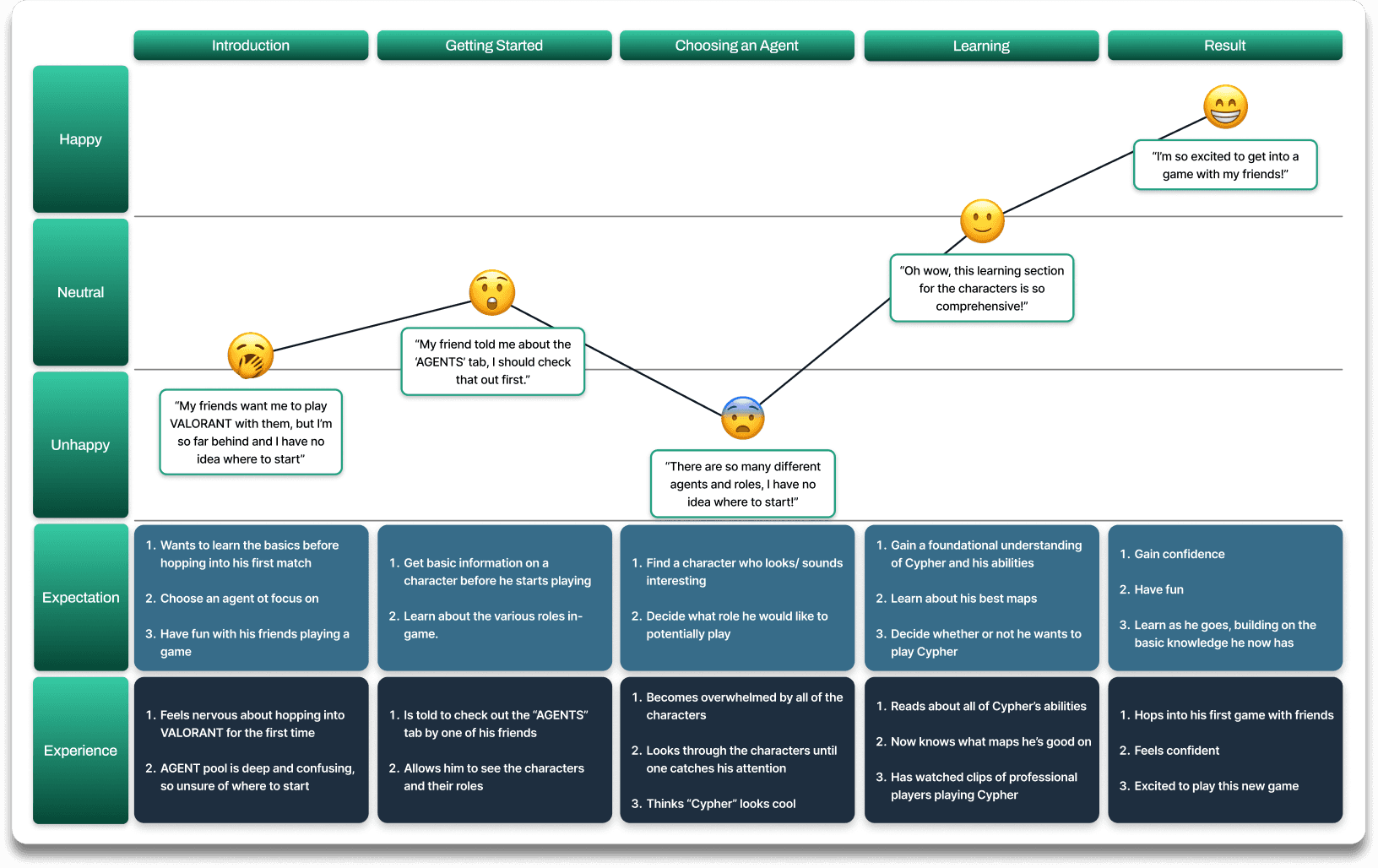
#3 User Journey Mapping — Using the Persona and Empathy Map, I created a User Journey Map that highlights the emotions, experiences, and pain points of users as they walk through the new agent learning features in VALORANT.
#4 Prototyping — I drafted key screens in low fidelity in order to show proof of concept for the solutions.
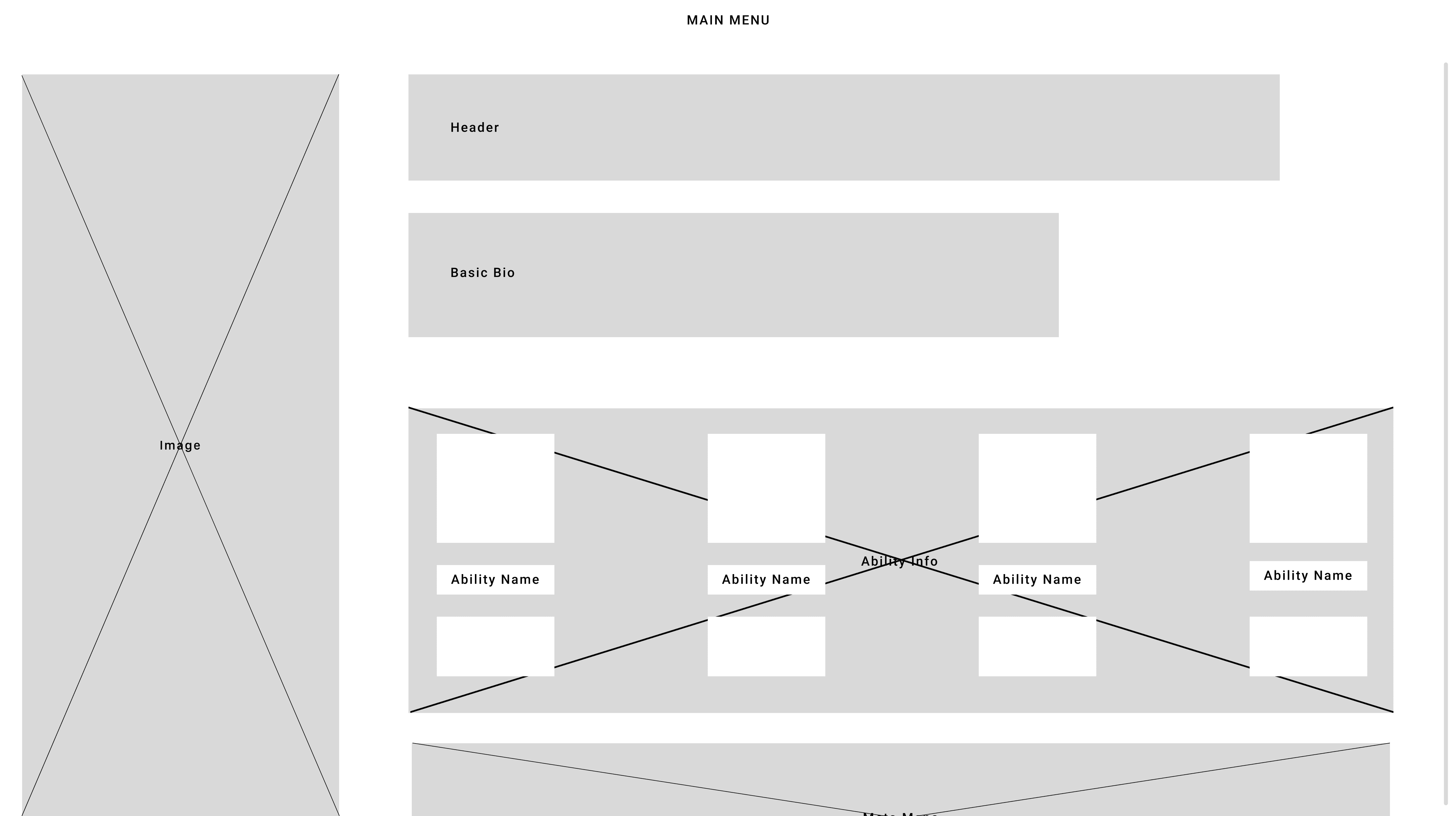
Low-Fidelity Prototype — Main Info Page
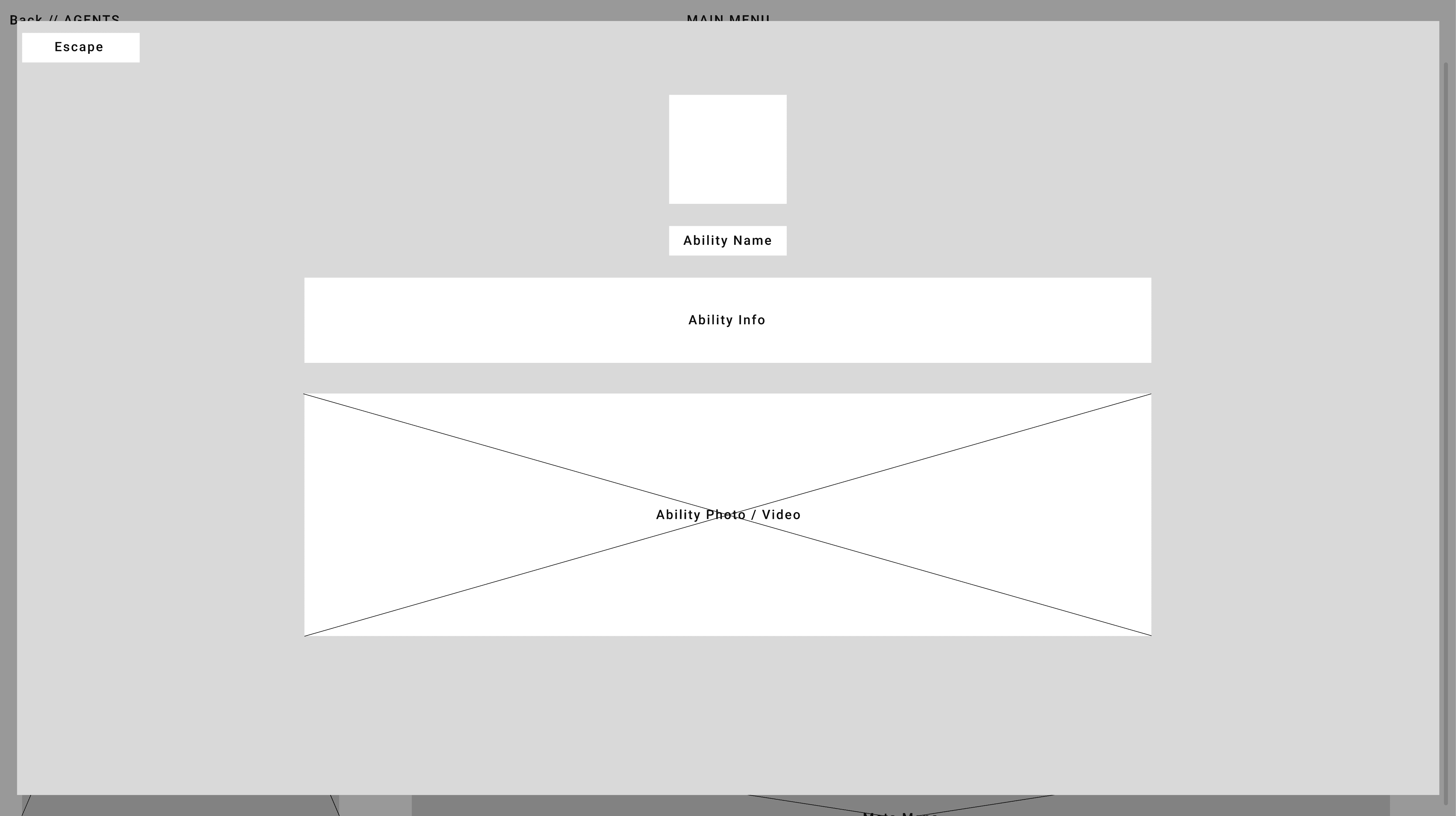
Low-Fidelity Prototype — Ability Information
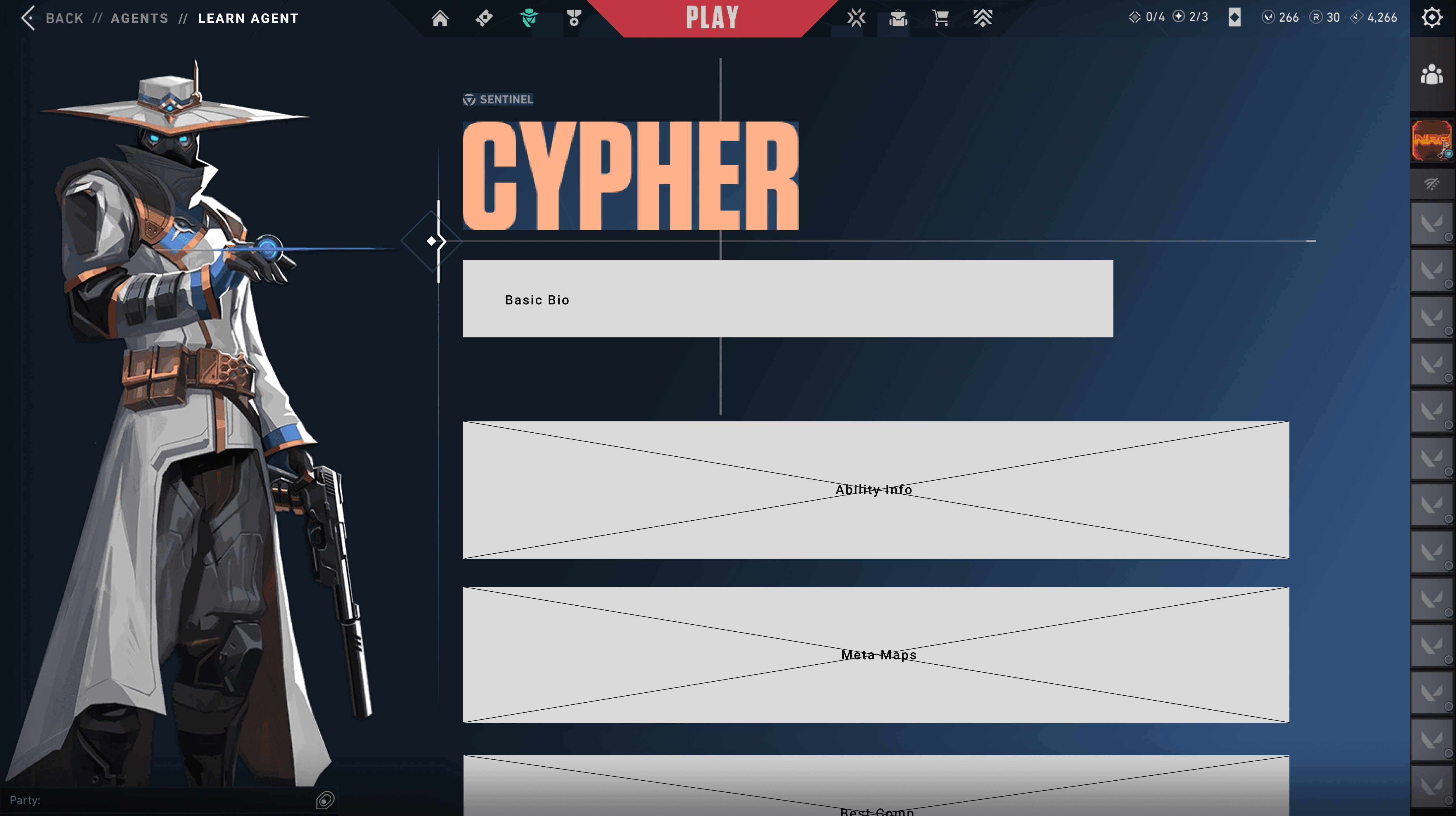
Low-Fidelity Prototype — Ability Information
Final Solution
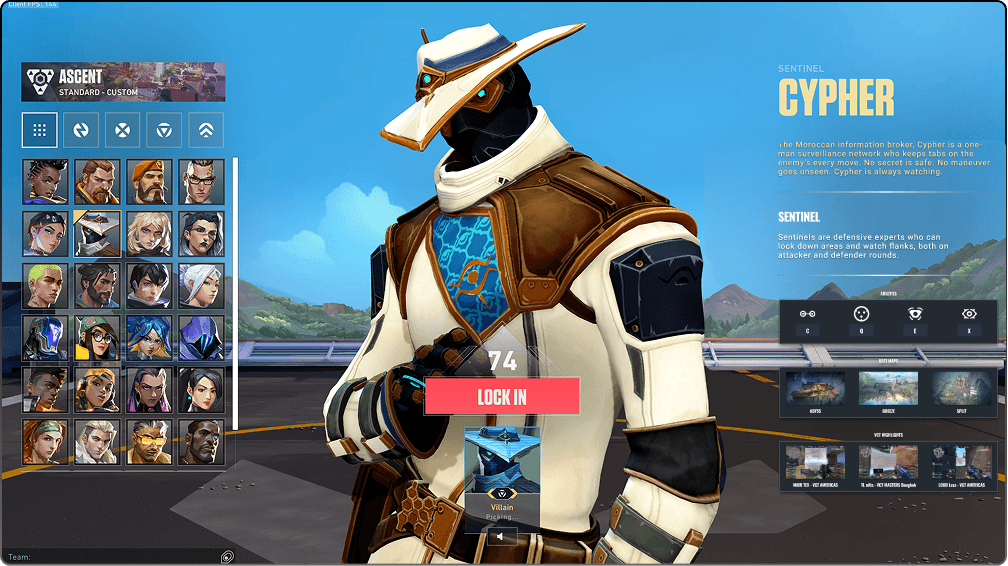
I designed a new Learn Agent feature directly inside the Agents tab that helped users understand characters before entering matches.
Key additions included:
Ability explanations with visual demos
Recommended maps for each agent
Embedded pro-play highlight clips
Cleaner navigation focused on supporting earning for new players
Usability testing Review
Primary Goal — discover an understand whether or not the new user flow provides more information to the user without sacrificing system clarity and ease.
Methods:
Informal A/B Testing (between original user flow and newly designed flow
4 users tested remotely
Option A (Current User Flow) vs Option B (New User Flow)
Success Criteria:
Users prefer option B over option A
Users are able to complete the tasks with limited to no friction or hesitation
Users are satisfied with their experience with Option B
Key Findings and Results:
4 out of 4 users preferred Option B, stating they felt the new flow was "easier to understand" and was "more intuitive."
100% of user successfully completed tasks in both flows
Users reported significantly higher confidence and clarity using Option B
The redesigned experience helped users "feel more prepared."
Core takeaways
Designing for confidence in a system is just as important as designing for usability. These two concepts play into each other, but if a system is developed without user confidence in mind, then the entire experience may fall apart.
I also reinforced the concept that direct learning integration into a product or experience is extremely important. Not only does it reduce friction for first time users, it also improve their engagement and retention.
I also learned that supporting different experience levels requires designing systems that scale with user knowledge. It is important to design with scalability in mind from the beginning in order to support users with various levels of skill.
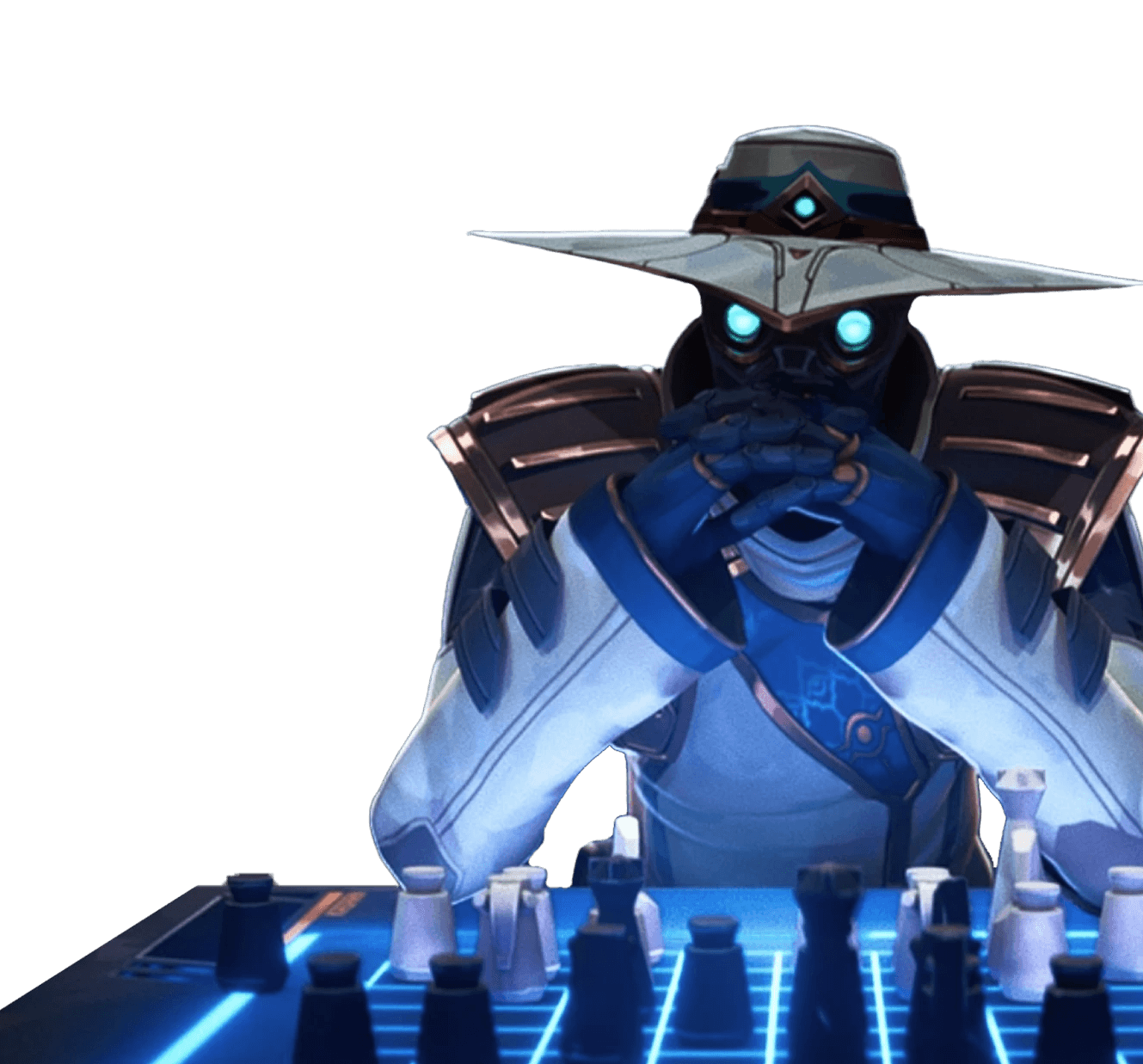
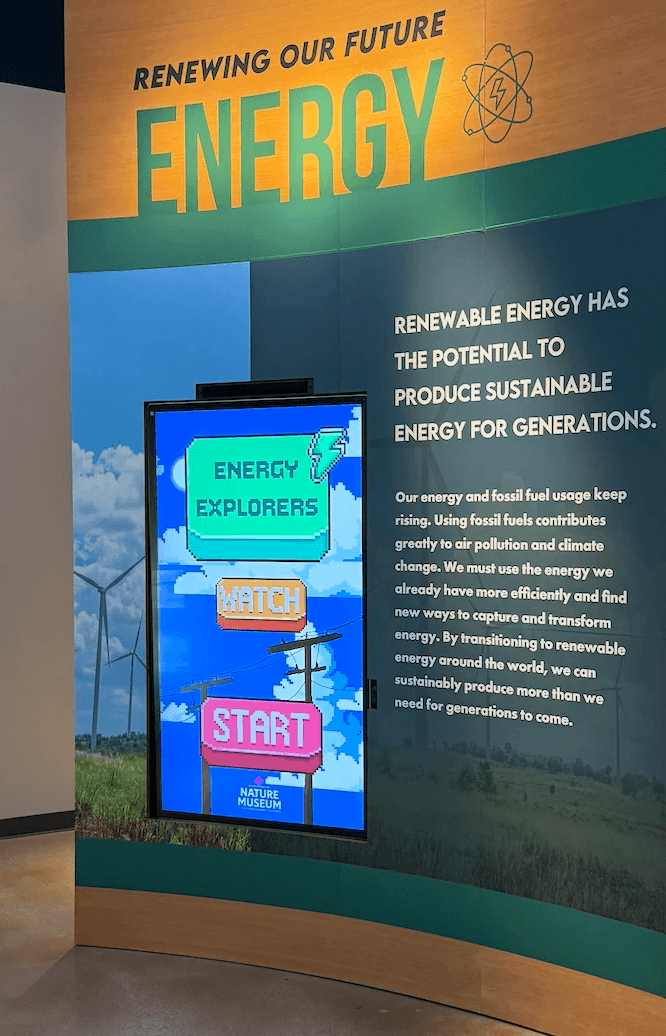
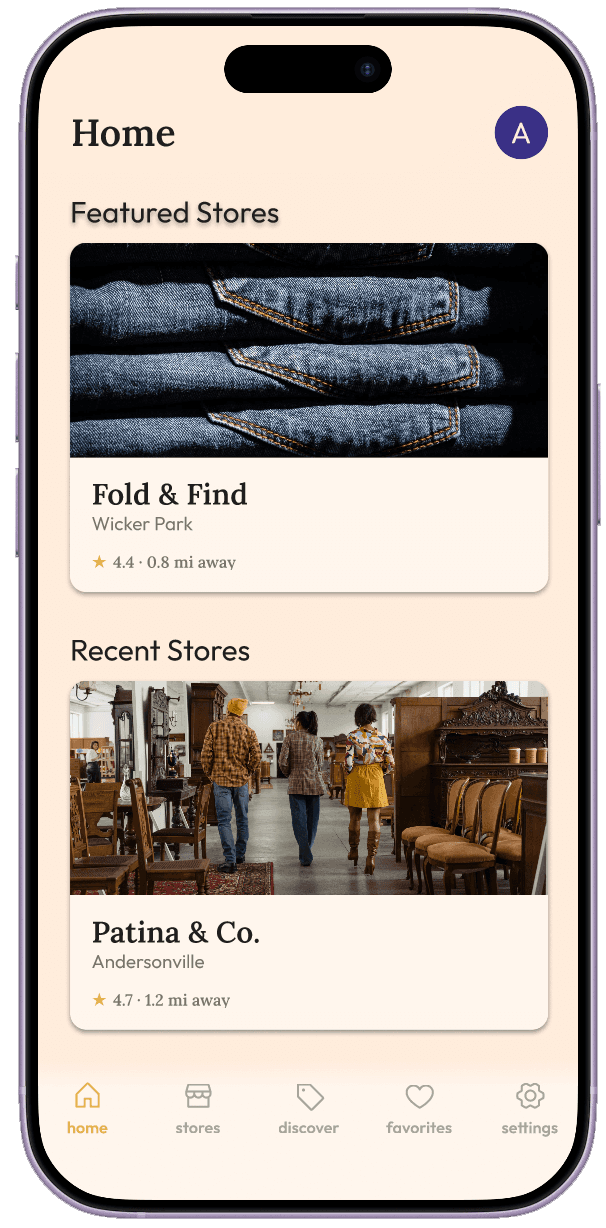
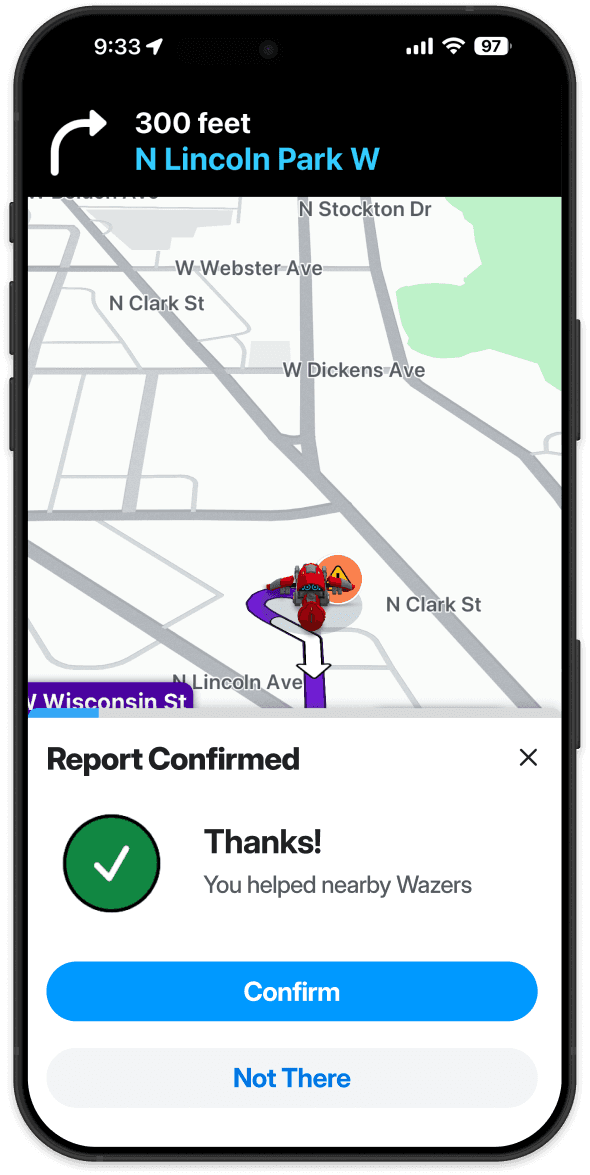
Concept of learnability features implemented in various flows in-game
Next steps
#1: I would expand the learning feature to include more information, allowing for support of a wider user demographic. This would also encourage further learning for users who are interested in taking their in-game knowledge to a deeper level.
#2: I would implement learnability features and flows into other areas of the game to support the key heuristic of recognition over recall while also providing stronger accessibility for users.
#3: I would develop other forms of agent learnability through other modes or mediums in-game, whether that's expansive tutorials, tool tips, or external guides and resources.

Let's Get in Touch
Dante Corsetti