Role
Lead UX / UI Designer, Researcher
Tools
Figma, Figjam, Adobe
Photoshop, Waze
Timeline
March - March 2026
Overview
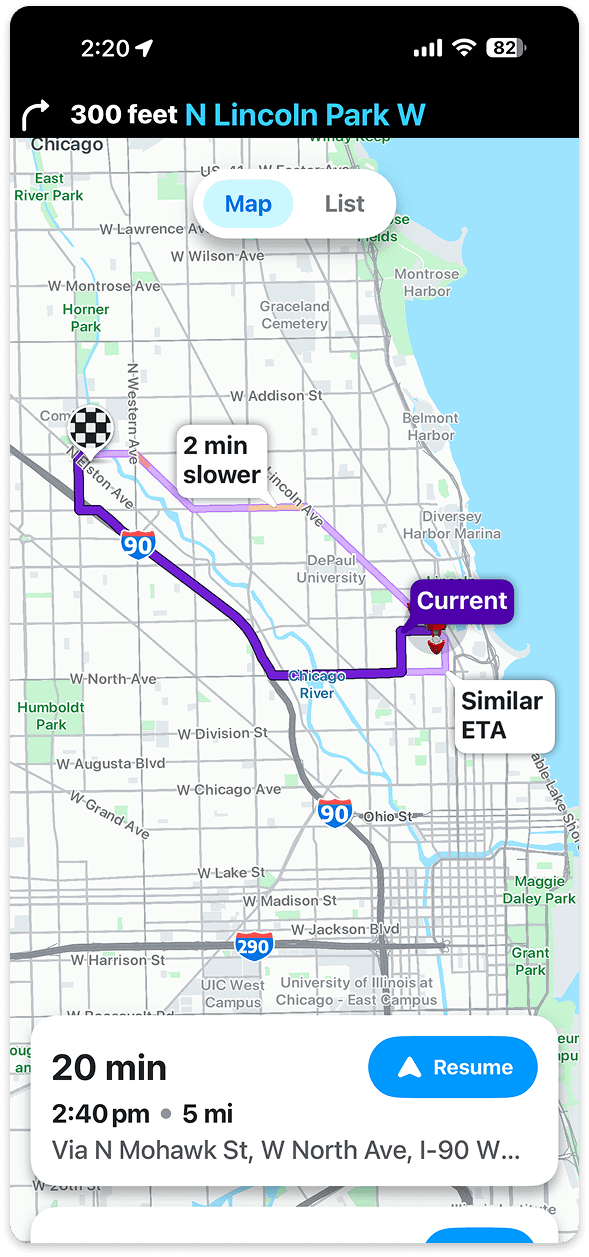
This project explored how a system-driven redesign could improve usability and consistency within the Waze mobile experience. While Waze is a feature-rich navigation platform, several usability and interface inconsistencies were present across key screens.
I analyzed the product through information architecture mapping, heuristic evaluation, and UI pattern auditing, then created a lightweight design system to improve scalability, clarity, and consistency.
My Responsibilities
As UX/UI Designer, I led the full redesign initiative from audit to prototype.
Some of the tasks I took up included:
Selecting the product and scope of study
Conducting heuristic evaluations
Building out Waze’s information architecture for reference and edge-case discovery
Identifying recurring UI issues and opportunities
Designing reusable systems and patterns
Producing final interactive prototypes
Problem Statement
After I identified edge cases through the creation of the information architecture, I created a core problem statement that this project would work to address.
"The reporting feature included on Waze lacks the necessary error recovery and prevention that should be included in an app aimed towards drivers."
Development Process
#1 Discovery — I began by auditing the current product experience.
Methods:
Heuristic evaluation
Interface pattern review
Flow analysis across key tasks
#2 Definition — I created a detailed Information Architecture map to understand how users move through the app and where friction occurred.
This helped prioritize high-impact screens and identify components that should be standardized.

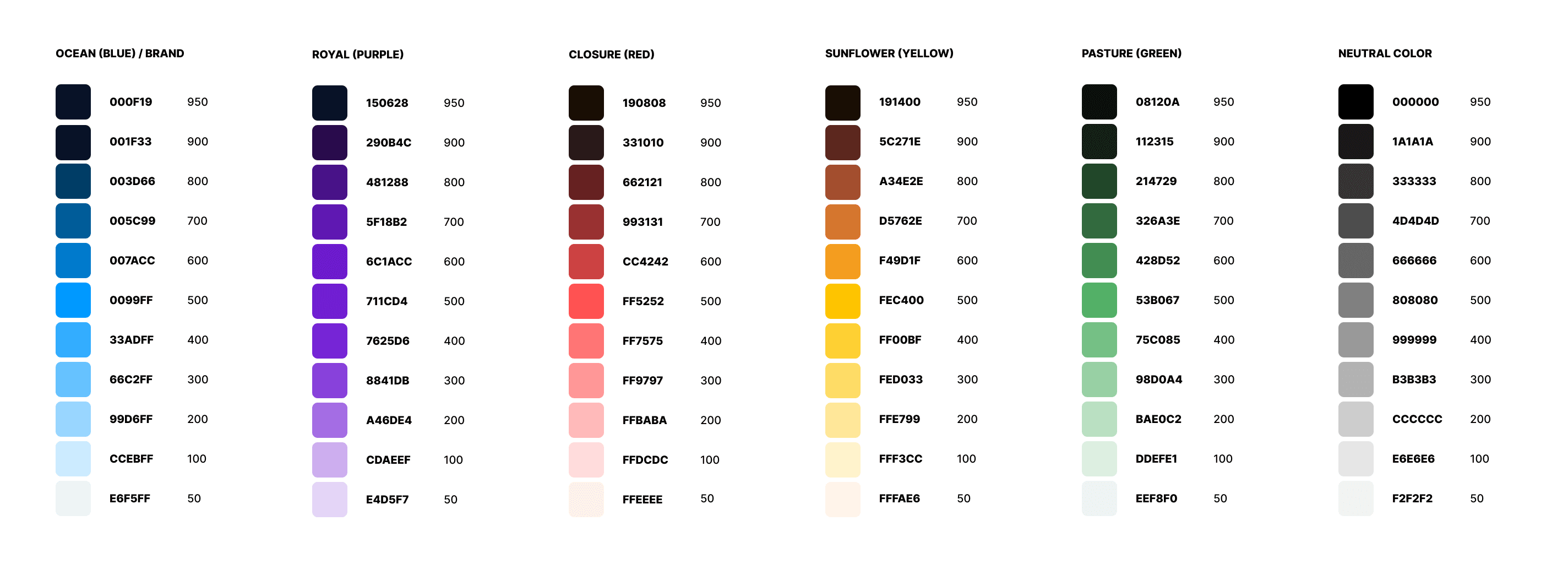
#3 Development — I grey boxed primary screens to define layout structure and created a comprehensive color scale before applying visual design.
System Deliverables:
Buttons
Cards
Navigation elements
Form controls
Content modules
Design Tokens Included:
Color usage
Typography scale
Spacing system
Corner radius / sizing logic
Grey-Boxed Screens:
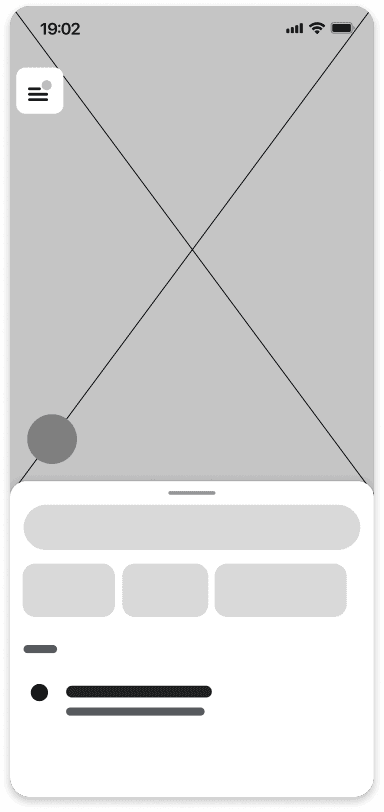
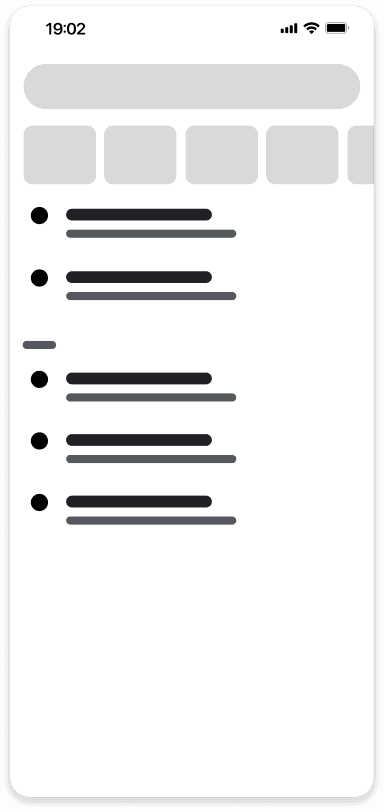
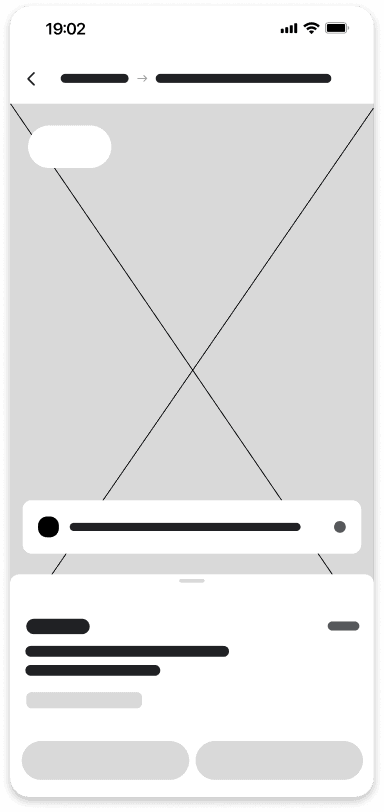
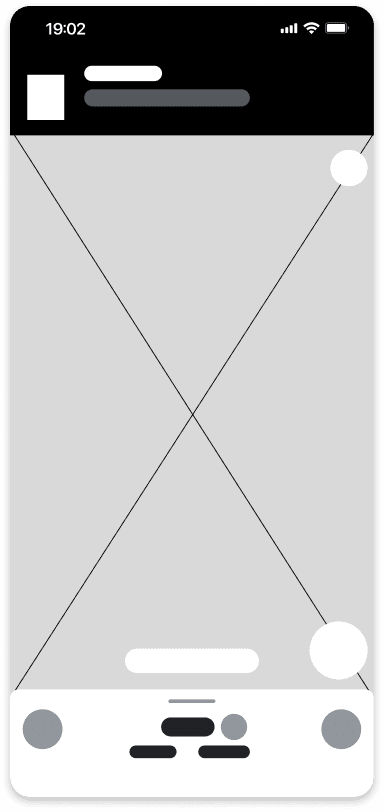
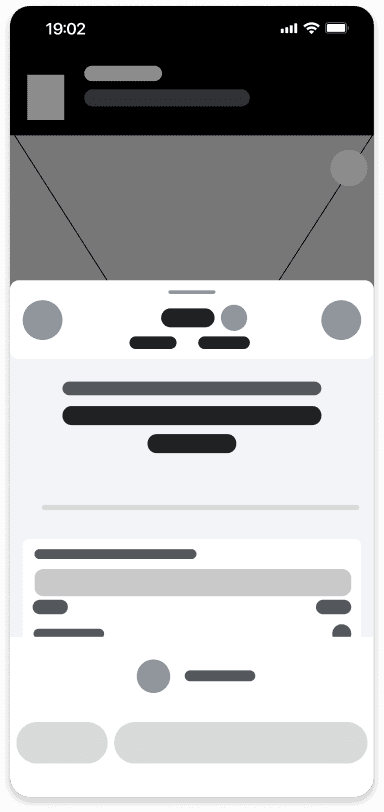
#4 Delivery — I translated the system into a polished high-fidelity interactive prototype demonstrating a solution to the lack of error prevention present in Waze's "Report" feature.
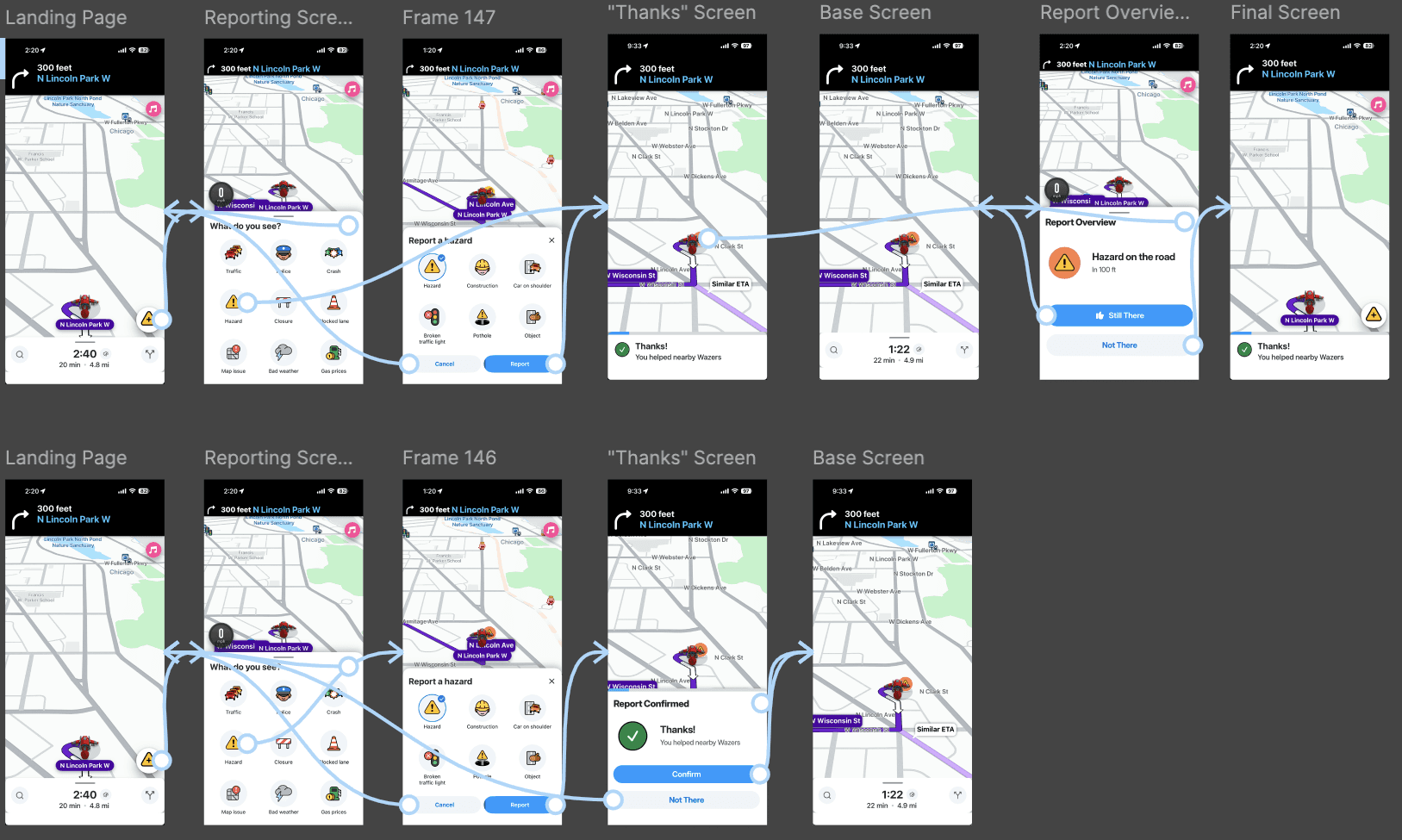
Final Solution
I developed a fully interactive prototype that illustrates the proposed solution in action.
This prototype walks the user through the core user-flow of reporting a hazard on the road, confirming it's there, and allowing the user to refer back and remove a report in case of mistakes.
Core takeaways
This project showed me how strong products can still benefit from systems thinking. I learned that even polished applications often contain inconsistencies and edge-cases that become visible when mapped through IA and component analysis.
I also strengthened my ability to move from problem identification into scalable solutions. Rather than redesigning isolated screens, I learned to solve problems at the system level through reusable components, tokens, and structured patterns.
Most importantly, I learned that design systems are not just visual libraries. They are tools that improve usability, speed collaboration, and create long-term product consistency.

Let's Get in Touch
Dante Corsetti